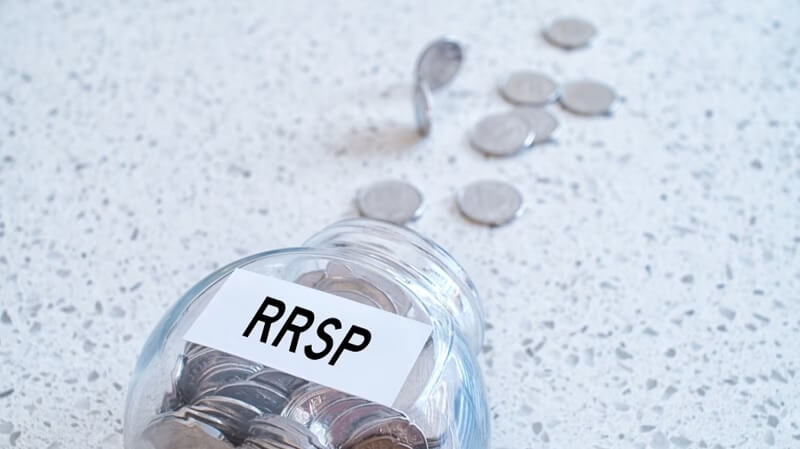
Canadians have until March 2 to put down their snow shovels and make a contribution to their registered retirement savings plans (RRSP) if they want to lower their 2025 income tax bill.
According to the latest tally from Statistics Canada, tax filers contribute an estimated $55 billion to their RRSPs annually with a median contribution at roughly $4,000.
RRSPs have been the favorite tax-saving investment vehicle for average Canadians for nearly 70 years; allowing investments to grow tax-free over time, to a day when the tax sting is less.
RRSP basics
RRSP accounts can be set up through just about any financial institution.
Contributions can be deducted from taxable income in any calendar year going forward. Whether you meet this year’s deadline or not, your contribution can be deducted from 2026 income or future income.
Those contributions can be invested in just about anything; stocks, bonds, mutual funds, exchange traded funds (ETFs), some options – whatever. You can even keep them in cash.
The investments can compound and grow tax-free for decades until they are withdrawn. At that point they are fully taxed – ideally at a low marginal tax rate in retirement.
The RRSP contribution limit this year is 18 per cent of reported earned income in 2024 to a maximum of $33,810.
Unused space can be carried forward to future years. The Canada Revenue Agency (CRA) keeps track and lists remaining contribution space on each year’s tax statement for individuals.
Getting the biggest bang for your RRSP buck
Canadians love their RRSPs because contributions made before the deadline almost always result in a lower tax bill in the spring. In cases where an employer makes payroll deductions throughout the year it usually results in a refund.
The size of the refund depends on the contribution amount and how much taxable income you generate the year it is claimed, which determines your marginal tax rate.
Here’s a simplified example: If you live in Ontario and earn less than $55,000, your combined federal and provincial tax rate is about 15 per cent. That means an RRSP contribution of $10,000 would lower your tax bill by 15 per cent, or $1,500.
If you live in Ontario and earn over $250,000, your combined tax rate could top 50 per cent. A $10,000 RRSP contribution at that marginal rate would generate a 50 per cent tax reduction or $5,000.
If it seems like RRSPs favour the rich, you’re right. Tax savings for lower income Canadians are much smaller than those with higher incomes. One strategy that could help level the playing field is to make contributions when you can, but only claim them in high income years.
RRSP drawbacks
That means if you contribute to your RRSP at the lowest marginal rate, the best you can hope for is to withdraw savings at the lowest marginal tax rate in retirement. In that case, the only real advantage to an RRSP is tax-free growth over time.
If you contribute a lot and invest well, and your RRSP savings grow above expectations, that’s a good thing but it could put you at a higher marginal rate than your original contribution when it comes time to make withdrawals.
When you reach 71 years, Ottawa will impose minimum RRSP withdrawals, which could also result in Old Age Security (OAS) claw backs if they reach a certain threshold.
If you make an early withdrawal while you are still working, the amount you remove from the plan will be taxed at whatever rate you are paying that year. If you are already taxed at a high marginal rate, the amount you withdraw could push you into an even higher tax bracket.
Early withdrawals could make sense if your income has been serious reduced but you will lose that allowable contribution space forever.
Ottawa also allows tax free withdrawals for continuing education or to buy a first home, as long as the money is returned to your RRSP within a certain period of time. Reference