Batis Exchange
- +1 (416)-848-4849
- 2354A Yonge St, Unit 1 (2nd Floor) Toronto, ON M4P 2E6
- info@batisfinancial.com

Batis Exchange
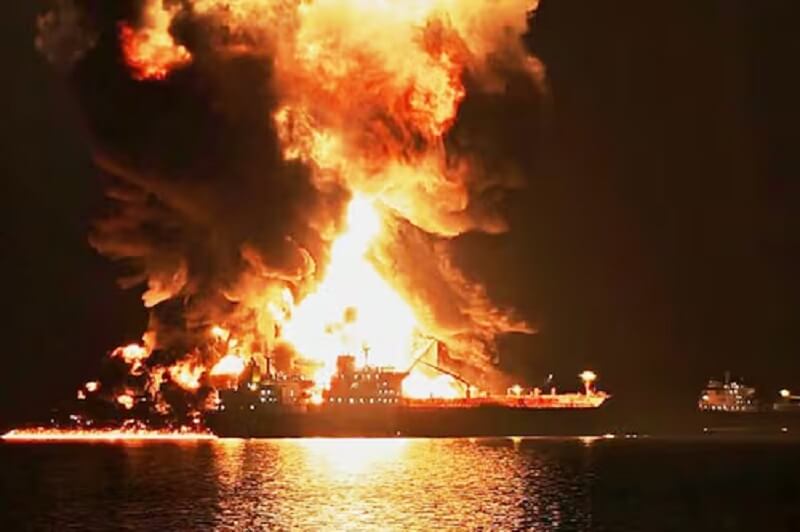
North American markets are set to open lower as oil and natural gas prices surge following renewed attacks on Middle East energy infrastructure, heightening concerns about supply disruptions and inflation.
BNN Bloomberg spoke with Christine Tan, portfolio manager at SLGI Asset Management, who said markets remain resilient with rotation across sectors, while investors closely watch whether energy shocks broaden into longer-term economic risks.
Key Takeaways
LINDSAY: North American markets appear poised to open lower, and oil and natural gas prices are surging after another round of attacks on Middle East energy facilities. Our next guest, though, says markets are proving more resilient than some would expect given major geopolitical shocks. Joining us now is Christine Tan, portfolio manager at SLGI Asset Management. It’s good to have you join us. Good morning.
LINDSAY: North American markets appear poised to open lower, and oil and natural gas prices are surging after another round of attacks on Middle East energy facilities. Our next guest, though, says markets are proving more resilient than some would expect given major geopolitical shocks. Joining us now is Christine Tan, portfolio manager at SLGI Asset Management. It’s good to have you join us. Good morning.
CHRISTINE: Good morning, Lindsay. Thanks for having me.
LINDSAY: Thanks for coming on. This is an interesting take. Where are you seeing the most resiliency in the markets right now?
CHRISTINE: When we made that comment, it was really relative to the headline risk. Markets have been quite resilient. You’re seeing a bit of rotation underneath the index level, and also more differentiation between countries. For example, Asia and Europe are clearly much more impacted directly by supply disruption. There are two parts to what’s happening as a result of the Iran war — prices going up, and physical disruption of supply impacting Asia and Europe.
What we’re watching very closely is that markets have been resilient relative to the shock. Part of that is the view that this could be somewhat transitory or resolved sooner rather than later. There’s also a belief that this may stay contained to energy prices. What we’re watching more closely is if this extends longer. You mentioned strikes on oil infrastructure — if this continues, you start to see second-order effects. For example, nitrogen-based fertilizer coming out of the region is also being disrupted by what’s happening at the Strait of Hormuz. These are not factors that are fully priced in, in our view. That’s what we mean when we say markets look more resilient than the geopolitical noise would suggest.
LINDSAY: Okay, I take your point — resilient given everything we’re seeing geopolitically right now. And as you said, if this becomes more of a long-term situation, things could change. What do you think about the oil story short term? Or could we see longer-term supply issues?
CHRISTINE: If we were having this conversation three days ago, I would have said it was more of a short-term disruption. But given what’s happened in the last 24 hours — with Israel hitting a natural gas field in Iran, and Iran responding by hitting oil assets in some GCC neighbours — we are moving into another phase of the conflict.
It is worrisome and something we are watching closely. Early on, we outlined two scenarios. One was a short series of strikes that would remove capabilities and move toward some form of agreement or truce. The second, which we’ve been in for about a week and a half, is a more extended conflict.
The third scenario, which we viewed as low probability, is now becoming more relevant — disruption of oil and gas infrastructure. That would mean even after the conflict is resolved, there could be a permanent impact on supply because infrastructure has been damaged.
In the short term, the market is still focused on disruption. Before the conflict, the global oil market was not oversupplied, which kept prices relatively contained. But we are now moving into a different phase. Over the medium term, there is a real risk of more permanent supply disruption if infrastructure damage continues.
LINDSAY: It’s a good point — even after this ends, there could still be lasting impacts from infrastructure damage. Is there anywhere investors can go that you see as a safer bet right now?
CHRISTINE: Our message has been not to overreact. We still believe there is a path to resolution, even with escalation. We heard overnight that U.S. President Donald Trump has called for de-escalation, and there doesn’t appear to be a desire to push this to extreme levels.
In that scenario, we’ve been advising clients not to aggressively de-risk, but to revisit portfolios and think more intentionally about exposures. Some asset classes and regions have performed very well over the last 12 to 15 months, so it may make sense to rebalance, but not to make large defensive shifts.
Traditional safe havens like fixed income are not behaving as expected because this is potentially an inflation shock. We’ve seen the back end of the yield curve move higher. Central banks — including the Bank of Canada and the U.S. Federal Reserve — have been cautious and are in wait-and-see mode.
One area showing some resilience is U.S. technology, which is less directly impacted by Middle East developments. But if the conflict becomes more prolonged and energy prices stay elevated, even that could be affected, given the energy intensity of AI.
We’ve maintained a tactical position in gold for several quarters, although it has pulled back recently alongside a stronger U.S. dollar. We also have a strategic overweight to commodities, including oil, which has been supportive.
We’ve slightly reduced exposure to electric vehicles, given their sensitivity to supply disruptions through the Strait of Hormuz. Overall, our message is to stay calm, remain diversified, and make incremental adjustments rather than large shifts.
LINDSAY: We’ll have to leave it there. Christine Tan, portfolio manager at SLGI Asset Management — appreciate your time and insight. Thank you. Reference


